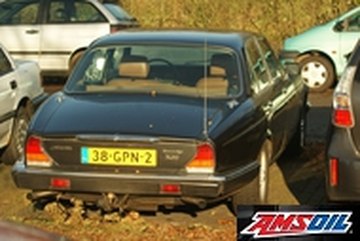
Lubrication Maintenance for the 1982 Jaguar XJ6 4.2L
Maintaining a high-quality lubrication standard is a fundamental aspect of long-term ownership for a vehicle like the 1982 Jaguar XJ6. With its 4.2L engine, consistent attention to fluid health and system integrity ensures that mechanical components continue to operate as intended. Proper maintenance involves more than just periodic changes; it requires a proactive approach to monitoring the condition of various engine-related components and understanding how to respond to changes in vehicle behavior.
Monitoring Fluid Integrity and Potential Seepage
One of the most effective ways to monitor the health of an engine is through regular visual inspections. For a vehicle of this age, observing the area around the engine for any signs of fluid seepage or leakage is a practical priority. Rather than waiting for a significant loss of lubricant, owners should look for evidence of dampness or staining on various surfaces.
When performing these checks, consider the following:
- Gasket and Seal Condition: Inspect accessible gaskets and seals for signs of age-related seepage. Even minor traces of oil can indicate that a seal is beginning to lose its effectiveness.
- Surface Contamination: Look for areas where dust or debris has adhered to the engine block, which can sometimes be an indicator of slow, long-term fluid migration from a sealing surface.
- Drain Areas: Ensure that the area around the oil drain plug and any associated hardware is clean and free of fresh residue.
If you notice new or increasing signs of leakage, it warrants further investigation to determine the source. Addressing minor seepage early can prevent more significant issues from developing over time.
Observing Changes in Engine Behavior
Beyond visual inspections, an owner should remain attentive to how the vehicle operates during routine use. Changes in the way the engine sounds or behaves can often be early indicators that something requires attention. It is important to remember that many different factors can cause a single symptom, so any change should be viewed as a prompt for investigation rather than an immediate diagnosis.
Potential signs that warrant closer inspection include:
- Changes in Lubricant Appearance: If the oil appears significantly darker or has a different texture than expected during a check, it may indicate changes in its chemical stability or contamination.
- Unusual Mechanical Noises: Any new or persistent sounds coming from the engine compartment should be evaluated by a professional to rule out lubrication-related concerns.
- Exhaust Observations: While exhaust smoke can be caused by many factors, any unusual color or consistency in the exhaust may indicate that something is being consumed during the combustion process.
By staying observant, you can establish a baseline of "normal" operation for your specific vehicle, making it much easier to identify when a deviation occurs.
Prioritizing Maintenance Through Documentation
For owners of a 1982 Jaguar XJ6, effective maintenance is often driven by the quality of information available. If you have inherited the vehicle or are just beginning your ownership, establishing a maintenance baseline is a highly useful step. This involves reviewing any available service history to understand what has been performed in the past.
If documentation is incomplete, start fresh by keeping detailed records of all future services. A comprehensive log should include:
- The date and mileage of every oil change and filter replacement.
- Specific details regarding the lubricants used.
- Observations made during routine inspections, such as noted seepage or the condition of belts (if equipped).
- Any repairs or component replacements performed.
Having a clear history allows you to distinguish between routine preventive maintenance and necessary repairs. It also helps in identifying patterns, such as how quickly certain components age or how frequently specific fluids need attention under your particular driving habits.
Managing Aging Engine Components
As vehicles age, the materials used in their construction—such as rubber, plastic, and various sealants—can undergo changes in their physical properties. For a 1982 model, it is sensible to prioritize maintenance based on the actual condition of these components rather than relying solely on chronological age.
When inspecting the engine bay, pay attention to any visible deterioration in peripheral components. If equipped, inspect accessible drive belts for signs of cracking, glazing, or fraying. Similarly, check the condition of any visible hoses for signs of hardening or excessive softness. While these components may not be directly part of the lubrication system, their integrity is vital to the overall health and thermal management of the engine.
The goal of age-related maintenance is to address potential issues before they lead to a failure. This means focusing on "condition-based" maintenance: if a component looks healthy and shows no signs of wear, it may not need immediate replacement, but it should remain a regular part of your inspection routine.
Effective Strategies for Long-Term Ownership
Successful long-term ownership of a classic engine like the 4.2L requires a shift from reactive to proactive thinking. Instead of only addressing problems when they cause a breakdown, focus on consistent, small-scale monitoring. This includes regular checks of fluid levels and frequent visual inspections of the engine's exterior.
If you notice an increase in lubricant consumption or find yourself needing to top off fluids more frequently than before, this is a signal to investigate the cause. Addressing these changes early can help maintain the internal environment of the engine and prevent unnecessary wear. Furthermore, always ensure that any maintenance performed adheres to the specific requirements of the vehicle to maintain its mechanical integrity.
Practical Guidance for Buying Engine Oil for your 1982 Jaguar XJ6 4.2L
When it is time to replenish your engine's lubricant, the most important step is to ensure that the product you select matches the specific requirements of your application. Because different engines and operating conditions have unique needs, you should not rely on general automotive knowledge or assumptions based on the vehicle's age.
To make an informed purchase, follow these guidelines:
- Match Application Information: Always refer to the vehicle-specific oil viscosity and application information provided on this webpage. This is your primary reference for selecting the correct grade.
- Verify Product Labels: Before purchasing, carefully check the product packaging to ensure the SAE viscosity and any relevant service classifications match what is required for your 4.2L engine.
- Consider Formulation Types: Depending on your specific needs and the information provided in your vehicle's documentation, you may choose between conventional, synthetic blend, or full synthetic oils. Some high-mileage oil formulations also contain additives intended for use in aging engines, including seal-conditioning additives.
- Check Quality Standards: Ensure the oil meets current industry standards for quality and performance to provide the best possible protection for your engine components.
By strictly adhering to the application-specific information displayed on this page, you can ensure that your 1982 Jaguar XJ6 receives the correct lubrication for its continued operation.